While our bodies can naturally produce vitamin D when exposed to sunlight, many people do not get enough vitamin D through their diets or sunlight exposure alone
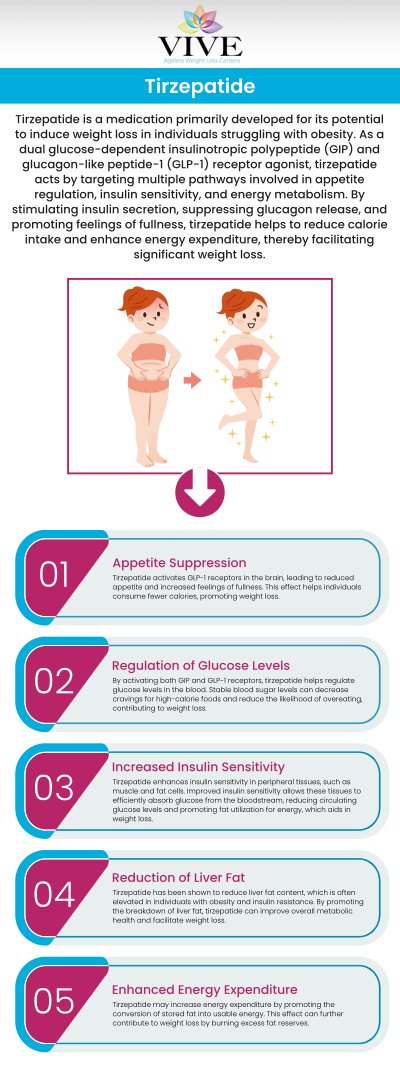
Central mechanisms are important in regulating the anorexigenic effects of GLP-1 and activation of central pathways that affect behavior is necessary to mediate the downstream responses irrespective of the site of action of GLP-1
Unlike GLP-1 receptor agonists, which are designed to mimic the hormone's effects, your body naturally releases GLP-1 in response to several everyday dietary and lifestyle factors, including: Protein-rich foods, such as eggs, Greek yogurt, fish, and legumes Fiber-rich foods, including oats, beans, fruits, and vegetables Healthy fats, like avocados, nuts, seeds, and olive oil Regular physical activity, which supports overall metabolic health A healthy gut microbiome, which plays a role in hormone regulation Adequate sleep and stress management, both of which influence metabolic function This has led researchers to investigate whether common foods and beverages, including coffee, can also influence GLP-1 secretion
Internal disinhibition predicts 5-year weight regain in the National Weight Control Registry (NWCR)